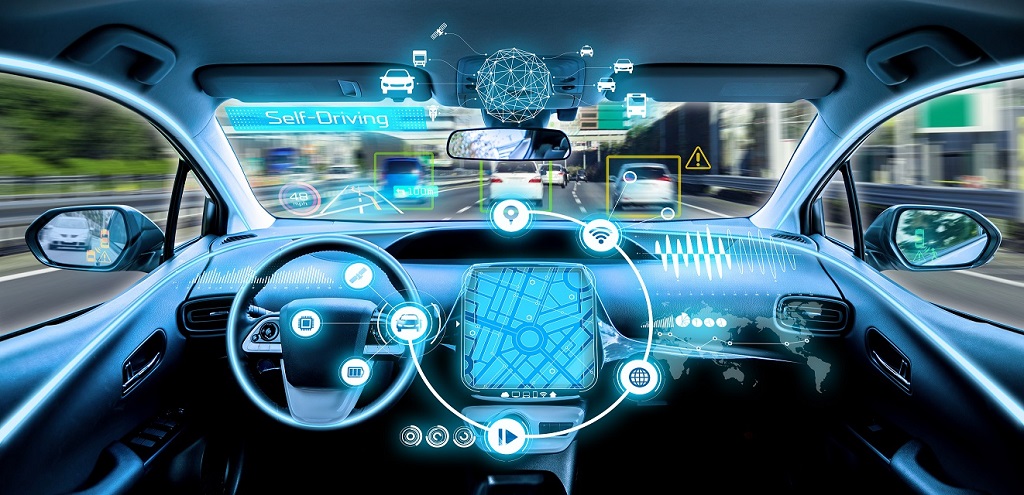
The automotive industry is undergoing a fundamental shift as smart vehicles, connectivity, and automation redefine how cars are serviced and maintained. Traditional repair models are giving way to data-driven, predictive, and software-centered service approaches. The future of auto service is no longer just mechanical—it is intelligent, connected, and proactive.
How Smart Cars Are Changing Vehicle Maintenance
Smart cars are equipped with advanced sensors, onboard computers, and connectivity systems that continuously monitor vehicle health.
Key Changes in Maintenance Practices
- Real-time monitoring of engine, brakes, tires, and batteries
- Automatic alerts when components begin to degrade
- Reduced reliance on visual inspections
This shift allows service providers to address issues before they lead to breakdowns.
Predictive Maintenance: Fixing Problems Before They Happen
Predictive maintenance uses vehicle data and analytics to anticipate failures rather than reacting to them.
Benefits of Predictive Maintenance
- Fewer unexpected repairs
- Lower long-term ownership costs
- Improved vehicle reliability
By analyzing driving behavior and component wear, smart systems recommend service only when truly needed.
The Role of Artificial Intelligence in Auto Service
Artificial intelligence is becoming central to modern diagnostics and repair planning.
How AI Enhances Auto Service
- Identifies fault patterns faster than manual diagnostics
- Assists technicians with repair recommendations
- Improves accuracy in complex electrical and software systems
AI reduces guesswork, enabling faster and more precise servicing.
Software Updates as a Core Service Function
In smart vehicles, performance improvements often come through software rather than hardware changes.
What Software-Based Service Includes
- Over-the-air updates for safety systems
- Performance and efficiency improvements
- Bug fixes for infotainment and driver-assistance features
Auto service centers increasingly manage digital maintenance alongside physical repairs.
Electric Vehicles and the Evolution of Service Needs
Electric vehicles (EVs) require a different approach to servicing compared to traditional combustion engines.
Unique EV Service Requirements
- Battery health diagnostics
- High-voltage system inspections
- Regenerative braking system maintenance
With fewer moving parts, EVs reduce some maintenance needs while increasing demand for specialized technical expertise.
Connectivity and Remote Diagnostics
Connected cars can share diagnostic data directly with service providers.
Advantages of Remote Diagnostics
- Early detection of system issues
- Reduced diagnostic time at service centers
- More accurate repair estimates
This connectivity improves efficiency for both drivers and technicians.
What the Future Auto Service Experience Will Look Like
The service experience itself is evolving to be more convenient and transparent.
Expected Trends
- Mobile service units performing routine maintenance
- App-based scheduling and service tracking
- Greater emphasis on preventive care over reactive repairs
The future favors minimal downtime and maximum vehicle uptime.
Why the Auto Service Industry Must Adapt
Service providers who embrace smart technology will be better positioned to:
- Handle advanced vehicle systems
- Retain tech-savvy customers
- Stay competitive in a rapidly evolving market
Those who fail to adapt risk becoming obsolete as vehicles grow more intelligent.
Frequently Asked Questions (FAQs)
1. Will smart cars eliminate the need for human technicians?
No, technicians remain essential, but their role will shift toward diagnostics, software management, and advanced system repairs.
2. Are smart car repairs more expensive than traditional repairs?
Some repairs may cost more due to technology, but predictive maintenance often reduces overall ownership costs.
3. How secure is vehicle data used in smart car diagnostics?
Manufacturers use encryption and security protocols, but data privacy standards continue to evolve.
4. Will independent repair shops be able to service smart cars?
Yes, provided they invest in training, tools, and software compatible with modern vehicles.
5. Do smart cars require more frequent maintenance checks?
Not necessarily—smart systems often reduce unnecessary service by identifying issues accurately.
6. How do over-the-air updates affect vehicle performance?
They can enhance safety, efficiency, and functionality without a physical service visit.
7. Is the future of auto service more digital than mechanical?
Yes, while mechanical repairs remain important, digital diagnostics and software services are becoming equally critical.