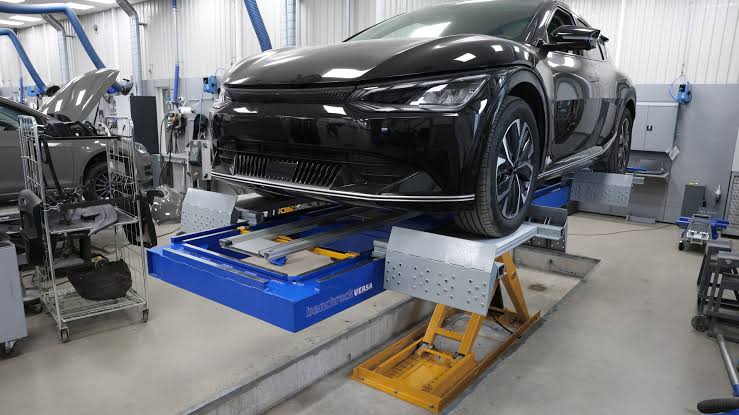
Modern vehicle repairs depend on accuracy, repeatability and the ability to work confidently across different makes and models. For repair centres comparing a collision repair equipment USA supplier, the decision should go beyond availability and price, because the right equipment can affect repair quality, technician efficiency and the confidence customers have in the finished vehicle.
Accuracy Starts With The Repair Process
Collision repair is no longer only about replacing visible damaged panels. Many repairs involve structural measurement, controlled pulling, anchoring, welding preparation and alignment checks before the vehicle can be returned safely to the road. If the equipment does not support accurate positioning, the repair can become slower and more difficult to verify.
This is especially important with modern vehicle construction. Different materials, complex structures and manufacturer repair procedures mean technicians need equipment that helps them follow a controlled process. Guesswork is not acceptable where suspension mounting points, crash structures or safety systems may be affected.
A good equipment choice should therefore support the way technicians diagnose, measure and carry out the repair. The more clearly the equipment helps establish correct alignment, the easier it is to produce consistent work across the workshop.
Workflow Matters As Much As The Equipment Itself
The best repair equipment should fit naturally into the body shop’s workflow. If a system is difficult to set up, awkward to move around or poorly suited to the vehicles being repaired, technicians may avoid using it properly. That can reduce the value of the investment.
Workshop managers should think about how vehicles move through the repair process. Where will measurement take place? How much space is available around the vehicle? How often will the equipment be used? Can technicians access the right fixtures, clamps or accessories quickly? These practical details affect whether the equipment improves productivity or creates another bottleneck.
Training is part of the workflow too. Even high-quality equipment will underperform if technicians are not confident using it. A supplier should be able to support proper use, not simply deliver the product and leave the workshop to work everything out alone.
Compatibility Should Be Checked Carefully
A repair centre may work on a wide mix of vehicles, from everyday passenger cars to premium, commercial or specialist models. Equipment needs to match the type of work the business wants to handle. A system that suits one category of repair may not be enough for more complex structural jobs.
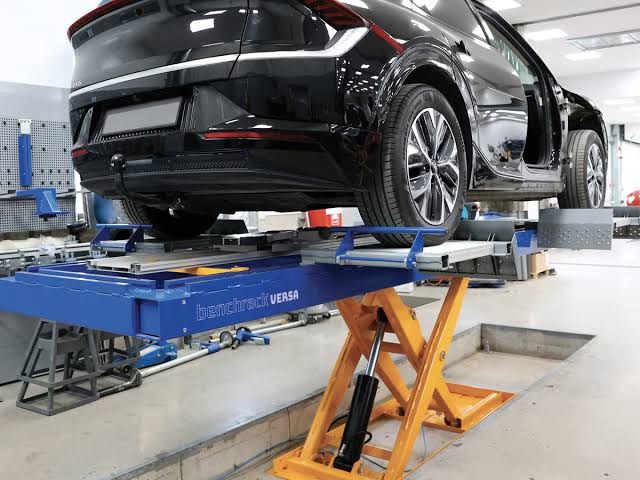
Compatibility includes vehicle coverage, anchoring options, measuring capability, pulling force, accessories and whether the equipment can support manufacturer-led repair methods. It is also worth considering future needs. The vehicle mix in a body shop can change as insurers, fleets and local customers change.
Investing in equipment that only solves today’s most basic jobs may limit the workshop later. A better approach is to choose systems that support current demand while giving the business room to handle more technical repairs as capability grows.
Long-Term Support Protects The Investment
Repair equipment is a long-term asset. The relationship with the supplier should therefore include support, spare parts, training, documentation and advice when the workshop needs it. Buying equipment without reliable backup can create problems if parts are needed or technicians require guidance.
A good supplier helps the body shop maintain confidence after the purchase. That support can reduce downtime, improve technician adoption and extend the useful life of the equipment.
For collision repair businesses, the right supplier is not just a source of tools. It is part of the repair capability of the workshop. When accuracy, workflow, compatibility and long-term support are considered together, equipment decisions become much stronger and the business is better placed to deliver reliable repairs.