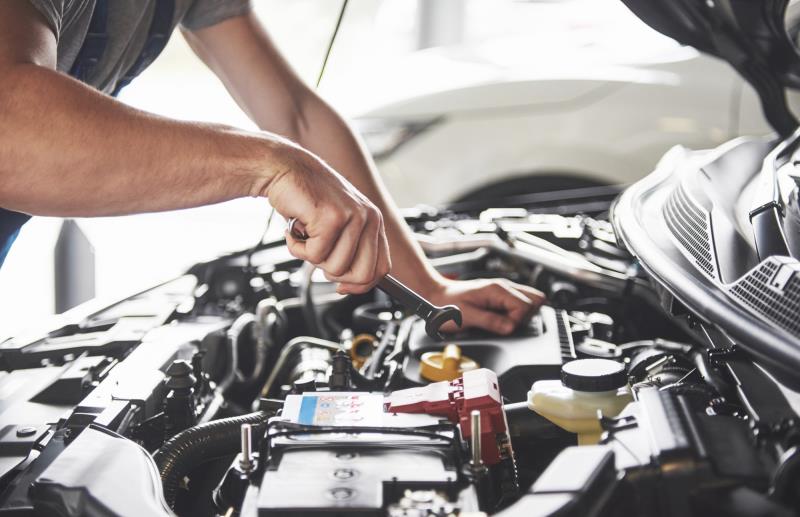
Every car owner wants their vehicle to run smoothly for years without major issues, but that level of reliability doesn’t come by chance. Regular maintenance is the backbone of a healthy vehicle, preventing costly repairs and extending its lifespan. Whether you drive a compact sedan or a rugged SUV, neglecting essential maintenance can quickly turn a dependable car into an unreliable burden. Understanding the importance of regular maintenance in preventing car repairs helps drivers save money, stay safe, and enjoy better vehicle performance.
Why Regular Maintenance Matters
Routine maintenance is not just about following the owner’s manual; it’s about taking proactive steps to identify and correct potential issues before they escalate. A car is a complex machine with interconnected systems—engine, transmission, brakes, suspension, and electrical components—all of which rely on regular attention. Skipping maintenance allows minor wear and tear to progress unnoticed, leading to expensive repairs later.
Regular maintenance keeps your car in peak condition, helping maintain fuel efficiency, performance, and safety. For example, something as simple as replacing worn-out spark plugs can improve fuel economy and engine responsiveness. Similarly, keeping tires properly inflated and aligned prevents premature wear and enhances handling. These small steps collectively reduce the need for major repairs that could cost thousands of dollars.
The Financial Benefits of Routine Maintenance
Most car owners underestimate how much preventive maintenance can save them in the long run. Consider oil changes: skipping them may seem like a way to save a few dollars today, but it often results in severe engine damage tomorrow. A new engine could cost upwards of $5,000, whereas an oil change averages under $100. This simple comparison underscores why regular servicing is not an expense but an investment.
How Maintenance Saves Money
- Early Problem Detection: Mechanics can spot small leaks, worn belts, or failing components during routine checks, allowing for inexpensive fixes before catastrophic failure.
- Extended Lifespan: Regularly serviced cars last longer, retaining better resale value and delaying the need for a new vehicle.
- Improved Fuel Efficiency: Clean filters, properly inflated tires, and fresh fluids reduce strain on the engine, lowering fuel consumption.
- Reduced Breakdown Risk: Well-maintained vehicles are less likely to leave you stranded on the roadside or require emergency towing.
Key Areas of Vehicle Maintenance
Proper car care isn’t about guesswork; it involves maintaining specific systems at recommended intervals. Let’s explore the most critical areas that prevent costly repairs and keep your car running efficiently.
Engine Maintenance
The engine is your car’s heart, and regular attention ensures it functions efficiently. Oil changes are fundamental, as oil lubricates internal components, reduces friction, and prevents overheating. When ignored, sludge builds up, damaging engine parts. Replacing filters—oil, air, and fuel—keeps contaminants out, ensuring smooth operation. It’s also wise to check belts and hoses for cracks or leaks, as a failed serpentine belt can instantly disable the engine.
Transmission Care
Transmission repairs are among the most expensive car issues, making maintenance crucial. Regularly checking and changing transmission fluid prevents internal wear and overheating. For vehicles with automatic transmissions, fluid should be replaced every 30,000–60,000 miles, depending on manufacturer recommendations. Unusual noises, rough shifting, or slipping gears signal that it’s time for immediate attention.
Brake System Checks
The braking system is vital for safety, and ignoring it could have disastrous consequences. Routine brake inspections include checking pads, rotors, and fluid levels. Squeaking or grinding noises indicate worn brake pads that can damage rotors if ignored. Regular brake maintenance not only ensures safety but also prevents expensive repairs caused by neglected components.
Tire and Alignment Maintenance
Tires are your car’s direct contact with the road, so their condition affects safety, comfort, and efficiency. Regular tire rotation promotes even wear, extending lifespan. Maintaining proper air pressure improves fuel efficiency and handling. Wheel alignment and balancing prevent uneven tire wear, ensuring smooth driving and better control. Ignoring these services often leads to premature tire replacement and suspension strain.
Cooling System and Fluids
An overheated engine can result in complete failure, but proper cooling system maintenance prevents this. Coolant flushes remove deposits that clog the radiator and water pump. Regularly checking coolant levels, hoses, and the thermostat ensures your engine stays within safe temperature ranges. Similarly, maintaining all fluids—power steering, brake, and windshield washer—keeps your car functioning smoothly.
Battery and Electrical System
Modern vehicles rely heavily on their electrical systems. A weak or corroded battery can cause starting issues or electronic malfunctions. Checking battery terminals, voltage, and alternator output helps avoid sudden breakdowns. Replacing the battery every three to five years, depending on climate and usage, prevents unexpected failures.
Suspension and Steering Components
A car’s suspension absorbs shocks and maintains stability, while the steering system ensures control. Regular inspection of shocks, struts, and tie rods helps identify worn parts early. Ignoring these components can lead to uneven tire wear, poor handling, and an uncomfortable ride. Keeping suspension systems in top shape contributes to both performance and safety.
The Connection Between Maintenance and Safety
Regular maintenance directly impacts your safety on the road. Faulty brakes, worn tires, or dim headlights increase the risk of accidents. Scheduled inspections ensure all safety-critical systems—brakes, lights, tires, and steering—are functioning correctly. For example, a well-maintained braking system reduces stopping distance, which can be the difference between a near miss and a collision.
Additionally, clean and functional headlights, wipers, and mirrors enhance visibility in poor weather conditions. A properly serviced vehicle also handles better, allowing for more precise control during emergencies. In short, staying current with maintenance isn’t just about avoiding repair bills—it’s about protecting lives.
How Regular Maintenance Enhances Performance
Beyond preventing breakdowns, consistent maintenance keeps your car performing like new. Smooth acceleration, better fuel efficiency, quieter operation, and improved handling all result from a well-maintained vehicle. Clean spark plugs and air filters allow the engine to breathe freely, while fresh fluids ensure optimal lubrication. Drivers who follow maintenance schedules notice fewer performance drops and enjoy a more responsive driving experience.
Moreover, vehicles that receive consistent care maintain their value far better than neglected ones. When selling or trading in, buyers pay more for cars with documented service histories, recognizing the reliability that comes from responsible ownership.
The Cost of Neglect
It’s tempting to postpone maintenance due to time or budget constraints, but neglecting it is often the costliest choice. Skipping a $150 tune-up might lead to a $1,500 repair. A neglected transmission fluid change can evolve into a full replacement costing thousands. Likewise, ignoring brake pad wear can ruin rotors, doubling repair costs. Regular attention prevents such snowballing expenses.
Over time, neglect can even compromise the car’s structural integrity. Rust from untreated coolant leaks, damaged seals, or worn bushings can shorten the lifespan of vital components. Consistent maintenance ensures that every part of your car functions in harmony, extending its useful life and maintaining reliability.
Developing a Maintenance Schedule
Creating a maintenance schedule tailored to your driving habits is key to preventing unnecessary repairs. Refer to your vehicle’s owner’s manual for manufacturer-recommended intervals, but adjust based on conditions. For instance, frequent short trips, extreme weather, or heavy towing may require more frequent servicing.
Typical maintenance schedule essentials include:
- Every 3,000–5,000 miles: Oil and filter change, tire pressure check
- Every 15,000 miles: Air filter replacement, brake inspection
- Every 30,000 miles: Transmission fluid and coolant inspection
- Every 60,000–100,000 miles: Timing belt replacement, spark plug replacement, major system inspection
Keeping detailed records of services helps track what’s been done and what’s due next. Many drivers use mobile apps or simple logs to stay organized and avoid missing key intervals.
Frequently Asked Questions
1. How often should I get my car serviced?
Most vehicles should be serviced every 5,000–7,500 miles, but it depends on the manufacturer’s guidelines and driving conditions. Frequent short trips or harsh environments may require shorter intervals.
2. Can skipping one oil change cause engine damage?
While one missed oil change might not cause immediate failure, repeated neglect leads to sludge buildup, poor lubrication, and eventual engine wear. Regular oil changes are among the most critical maintenance steps.
3. What are the signs that my car needs immediate attention?
Warning lights, unusual noises, vibrations, smoke, or fluid leaks indicate underlying issues. Addressing these early prevents further damage and higher repair costs.
4. Does regular maintenance affect fuel efficiency?
Yes. Clean filters, fresh fluids, and properly inflated tires all improve fuel efficiency. Poor maintenance causes the engine to work harder, consuming more fuel.
5. How can I tell if my mechanic is doing proper maintenance?
Request detailed service receipts listing replaced parts and performed inspections. Reliable mechanics will explain their work clearly and recommend preventive steps without unnecessary upselling.
6. Is maintenance different for electric vehicles?
Electric vehicles require less engine-related maintenance but still need regular checks for tires, brakes, suspension, battery health, and cooling systems.
Maintaining a vehicle regularly is one of the smartest investments a car owner can make. It not only saves thousands of dollars in potential repairs but also ensures safety, performance, and longevity. By treating maintenance as a priority rather than a chore, you keep your car running smoothly, efficiently, and reliably for years to come.