10
Every time you press the brake pedal, you place immense trust in a closed hydraulic network of master cylinders, calipers, flexible hoses, and rigid steel lines. While drivers frequently monitor brake pads and rotors, the steel tubing routing brake fluid across the undercarriage is often overlooked until catastrophe strikes. Brake line rust is a silent, insidious issue. It creeps in from the outside in regions plagued by road salt and high humidity, or from the inside due to degraded fluid moisture content, gradually weakening the metal until a sudden high-pressure stop causes a rupture. Recognizing the early warning signs of brake line corrosion is not just a matter of routine vehicle maintenance; it is a critical safety imperative that can prevent brake failure at highway speeds.
Understanding the Anatomy of Your Vehicle Brake System
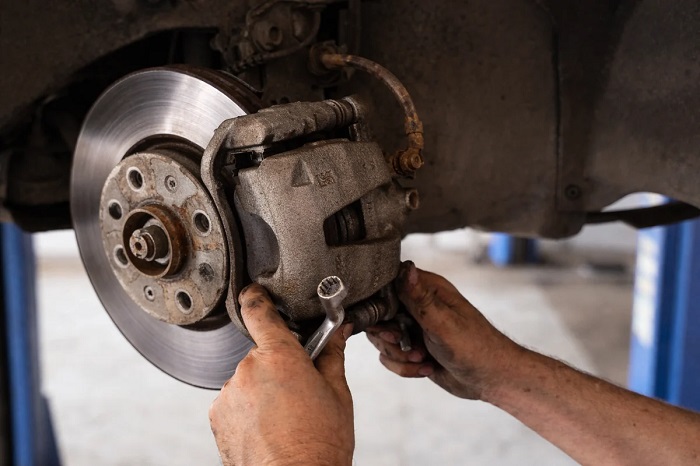
To identify corrosion before it becomes dangerous, you must first understand how your brake lines are constructed and where they live. Modern passenger vehicles utilize a dual-circuit hydraulic braking system. When your foot depresses the brake pedal, it pushes against a master cylinder, which pressurizes brake fluid and forces it through a network of conduits to the wheels. This network consists of two main types of components: flexible rubber or braided steel hoses near the wheels, and rigid metal hard lines running along the frame rails and underbody.
The hard lines are typically made of galvanized or coated steel designed to withstand intense internal hydraulic pressures, which can easily exceed one thousand pounds per square inch during an emergency stop. However, these rigid lines are exposed to the harshest environmental elements your car encounters. Tucked away beneath the chassis, they are constantly bombarded by road debris, mud, water, winter slush, and chemical de-icing salts. While manufacturers apply protective coatings at the factory, these coatings inevitably degrade over time due to stone chips, thermal expansion and contraction, and normal aging. Once the protective barrier is compromised, moisture meets raw steel, and the oxidation process begins.
Critical Warning Signs of Failing Brake Lines
Because brake lines are hidden beneath the vehicle, detecting rust requires a combination of sensory awareness, physical inspection, and attention to how your car behaves on the road. Here are the primary indicators that your brake lines are succumbing to rust and corrosion.
Changes in Brake Pedal Feel
The most immediate functional symptom of compromised brake lines is a change in how the brake pedal feels beneath your foot. In a healthy system, the pedal should feel firm and progressive, offering solid resistance and holding its position when depressed at a stoplight. If your brake lines are rusting internally or developing microscopic pinhole leaks, you may notice a soft or spongy pedal. In severe cases of corrosion where a line is close to bursting, the pedal may slowly sink all the way to the floorboard while you are holding pressure at a stop. This sinking sensation indicates that hydraulic pressure is escaping through a compromised wall in the line, meaning your braking efficiency is severely compromised.
Visual Signs Underneath the Chassis
A direct visual inspection remains the most reliable way to confirm brake line rust. Safely lift your vehicle using a reliable hydraulic jack and secure it with sturdy jack stands, or take it to a local shop where it can be raised on a lift. Armed with a flashlight, trace the metal lines starting from the master cylinder near the firewall and following them along the frame rails down to the rear axle and wheels. Look closely at how the metal looks. Surface rust, which appears as a light, powdery orange dusting, is usually superficial and can often be cleaned away without threatening structural integrity. However, pitting, heavy flaking, bubbling under factory coatings, or deep reddish-brown scale indicate that corrosion has eaten into the metal wall thickness. If a line looks swollen, twisted, or noticeably thinner in certain spots, it is dangerously close to failure.
Unexplained Brake Fluid Loss and Puddles
Brake fluid is engineered to be a closed-loop system, which means it should never be consumed or lost during normal operation. If you check your master cylinder reservoir under the hood and notice that the fluid level is dropping below the minimum line, yet you do not see any obvious external leaks at the calipers or wheel cylinders, your hard lines are likely leaking. Look for wet spots along the frame rails, greasy grime buildup mixed with road dirt clinging to the lines, or small puddles under the car after it has been parked. Brake fluid has a distinct, slightly sweet or chemical odor and a clear-to-amber color that turns dark brown as it ages, and it strips automotive paint upon contact.
Dashboard Warning Lights
Your dashboard is designed to alert you to hydraulic pressure discrepancies before you experience total brake failure. When a brake line rusts through and causes a sudden loss of pressure in one of the dual circuits, the brake warning light will illuminate on your instrument cluster. Additionally, if fluid drops below a safe threshold in the master cylinder reservoir, the low fluid sensor triggers an alert. Never ignore these dashboard lights, assuming they are merely electrical glitches. If your brake light comes on accompanied by a change in pedal feel, park the vehicle immediately.
High-Risk Vehicles and Environmental Factors
Not all vehicles face the same risk of brake line corrosion. Geography and climate play a massive role in how quickly your brake lines degrade. Vehicles operated extensively in regions where winter road treatments involve heavy applications of rock salt, calcium chloride, and liquid brines are at extreme risk. These chemicals are highly corrosive and cling to the undercarriage, accelerating electrochemical oxidation on exposed metal surfaces.
Furthermore, vehicles that frequently travel on gravel or dirt roads face constant bombardment from flying stones that chip away at factory anti-corrosion coatings. Age is another primary factor. Cars that are ten to fifteen years old, regardless of mileage, frequently develop structural rust on underbody components. If your vehicle falls into these categories, annual undercarriage inspections should be a mandatory part of your seasonal maintenance routine, rather than an afterthought.
What to Do When Brake Lines Fail Inspection
Discovering severe rust on your brake lines requires immediate professional attention. Driving a vehicle with compromised lines is an extreme safety hazard not only to yourself but to everyone else on the road. When replacing rusted brake lines, mechanics typically recommend swapping out the entire run rather than attempting a localized patch. Patching a rusted line with a compression union in a high-pressure zone is unsafe and generally violates automotive safety standards.
When replacement is necessary, ask your technician about upgrading to nickel-copper alloy lines. Unlike standard steel lines, nickel-copper alloy lines are naturally rust-proof, incredibly flexible, exceptionally easy to route during installation, and capable of withstanding extreme hydraulic pressures. While they cost slightly more in material expenses, they provide a permanent solution that will outlast the lifespan of the vehicle, eliminating the fear of future rust-outs.
Proactive Prevention and Maintenance
While you cannot entirely stop environmental aging, you can dramatically slow down the corrosion process through proactive maintenance. During the winter months, make it a habit to visit automated car washes equipped with undercarriage spray nozzles to flush away accumulated road salt and chemical residues. Applying specialized anti-corrosion undercoating or lanolin-based fluid films to the frame rails and brake line pathways can also provide a robust barrier against moisture and salt penetration.
Your vehicle is a complex machine, but few systems are as vital to your immediate safety as your brakes. Brake line rust is a deceptive enemy that progresses silently out of sight until it compromises your stopping power when you need it most. By staying vigilant about pedal feel, conducting routine undercarriage inspections, and understanding the environmental risks your car faces, you can catch corrosion in its infancy and replace vulnerable lines before an emergency occurs. Prioritizing this hidden infrastructure ensures that every journey you take remains safe, controlled, and predictable.