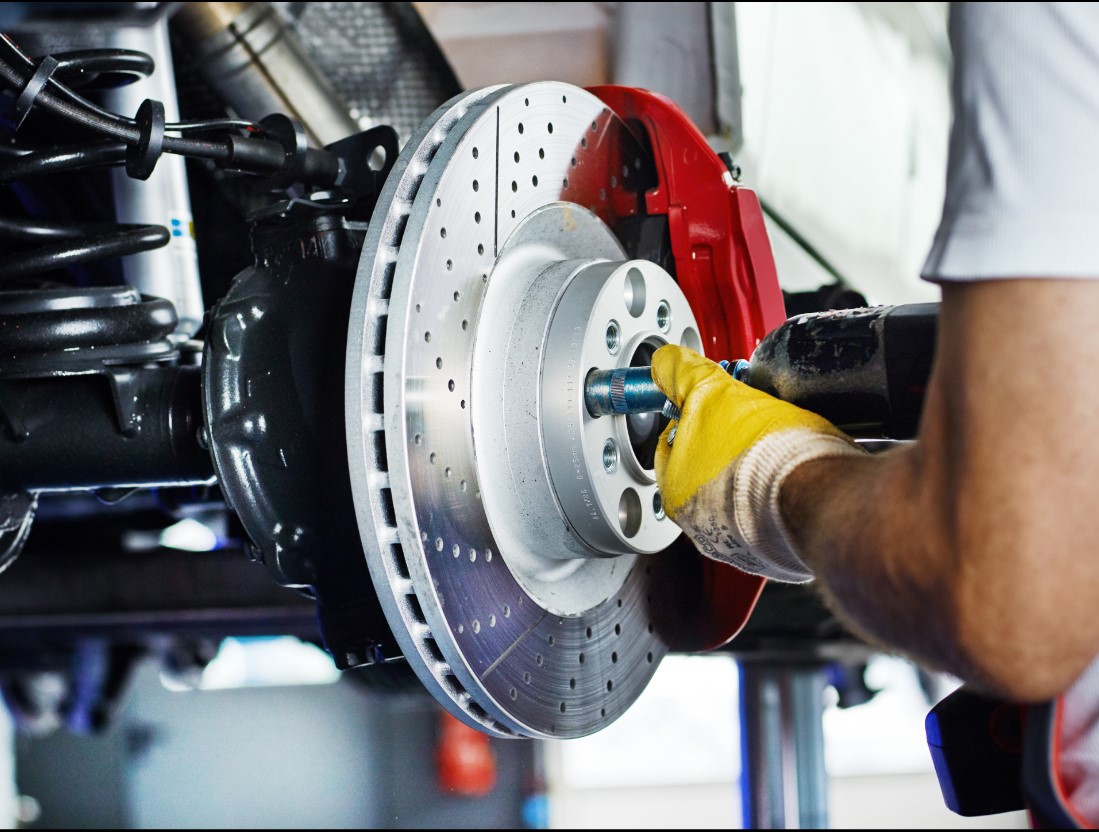
Driver safety is often associated with attentiveness and road conditions, but one of the most critical factors is frequently overlooked: vehicle maintenance. A well-maintained vehicle responds predictably, protects occupants effectively, and reduces the likelihood of accidents. When maintenance is ignored, safety risks increase long before visible problems appear.
Why Maintenance Directly Impacts Safety
Every vehicle system is interconnected. When one component underperforms, it affects overall control and response. Regular maintenance ensures that safety-related systems work together as designed.
Proper maintenance supports:
- Reliable braking and steering
- Stable handling in emergencies
- Accurate response from safety features
- Reduced risk of mechanical failure while driving
Neglect turns minor wear into safety hazards.
Brakes: The First Line of Defense
Brakes are the most critical safety system in any vehicle. Even slight degradation can increase stopping distances and reduce control during sudden stops.
Routine brake maintenance includes:
- Inspecting pads and rotors for wear
- Replacing contaminated or old brake fluid
- Ensuring ABS sensors function correctly
Poorly maintained brakes significantly raise the risk of collisions, especially in traffic or adverse weather.
Tires and Road Grip
Tires are the only point of contact between the vehicle and the road. Their condition directly affects traction, steering, and braking performance.
Safety risks from neglected tires include:
- Reduced grip on wet or icy roads
- Increased likelihood of blowouts
- Longer stopping distances
Regular tire inspections, rotations, and pressure checks are essential for maintaining control.
Steering and Suspension Stability
Steering and suspension systems keep the vehicle balanced and responsive. Worn components can cause unpredictable handling, particularly during quick maneuvers.
Maintenance helps ensure:
- Accurate steering response
- Even weight distribution across tires
- Stability during cornering and braking
Ignoring these systems increases the chance of losing control in emergency situations.
Lighting and Visibility Systems
Visibility plays a major role in accident prevention. Headlights, brake lights, and signals must work properly so drivers can see and be seen.
Regular checks prevent:
- Reduced night visibility
- Delayed reaction from other drivers
- Increased risk of rear-end or lane-change accidents
Simple bulb replacements often make a significant safety difference.
Engine Performance and Power Delivery
Inconsistent engine performance can be dangerous in traffic, especially when merging, overtaking, or climbing hills.
Maintenance ensures:
- Predictable acceleration
- Reduced stalling or hesitation
- Proper fuel and air delivery
A responsive engine allows drivers to react quickly when conditions change.
Safety Technology Depends on Maintenance
Modern vehicles rely on electronic safety systems such as traction control, stability assist, and driver alerts. These features depend on sensors, software, and mechanical components.
Regular service keeps these systems:
- Properly calibrated
- Free of sensor errors
- Ready to activate when needed
Without maintenance, advanced safety features may not respond correctly—or at all.
Driver Confidence and Reaction Time
A well-maintained vehicle inspires confidence. Drivers are more focused and responsive when they trust their vehicle to behave predictably.
Maintenance supports:
- Reduced distractions from warning lights or noises
- Smoother driving experience
- Faster, more confident reactions
Confidence behind the wheel contributes directly to safer driving decisions.
Final Thoughts
Maintenance and driver safety are inseparable. From brakes and tires to electronics and visibility, every system plays a role in protecting drivers and passengers. Regular maintenance does more than preserve vehicle performance—it actively reduces accident risk and enhances control in critical moments. Safe driving starts long before the engine turns on.
Frequently Asked Questions
Can poor maintenance increase accident risk even if I drive carefully?
Yes. Mechanical failures can occur without warning, regardless of driving skill or caution.
Which maintenance issue poses the greatest immediate safety risk?
Brake and tire neglect pose the most immediate and severe safety risks.
Does routine maintenance help in extreme weather conditions?
Absolutely. Properly maintained systems perform better in rain, snow, heat, and cold.
Are dashboard warning lights always safety-related?
Not always, but ignoring them can allow safety-critical issues to worsen over time.
How does maintenance affect emergency maneuvering?
Well-maintained steering, suspension, and tires improve stability and control during sudden maneuvers.
Can regular maintenance reduce driver fatigue?
Yes. Smooth operation and fewer mechanical issues reduce stress and mental load while driving.
Is safety maintenance different for older vehicles?
Older vehicles often require more frequent inspections, as wear increases the likelihood of safety-related failures.