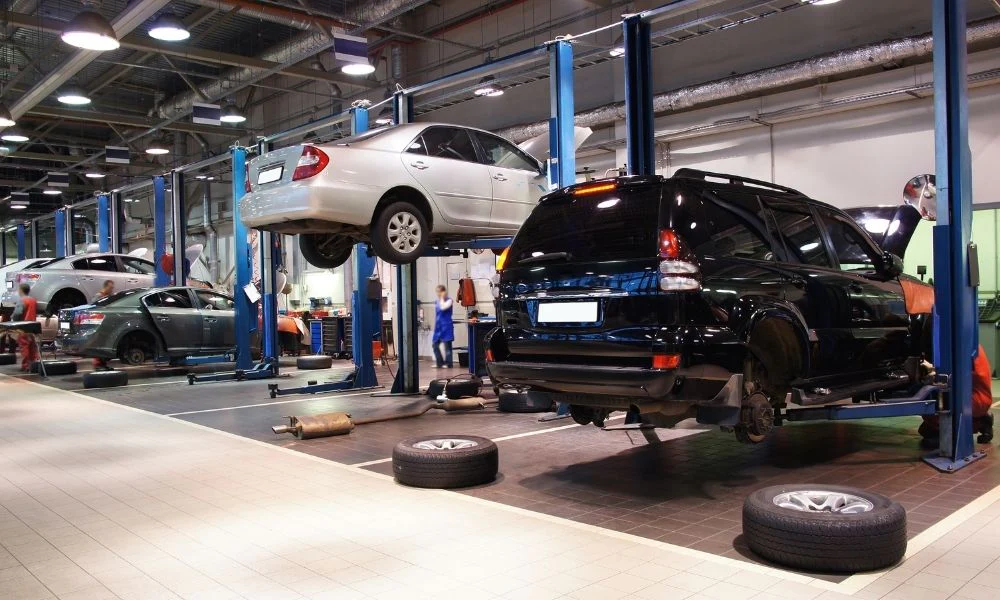
Finding a reliable car repair shop is one of the most important responsibilities for any vehicle owner. Whether you’re dealing with unexpected engine trouble, routine maintenance, or a strange noise under the hood, choosing the right mechanic can mean the difference between a quick, affordable fix and an expensive, frustrating experience. The process of learning how to find a trustworthy car repair shop near you goes beyond simple online searches—it requires insight, awareness, and a clear understanding of what separates a professional auto shop from a careless one.
Why Choosing the Right Repair Shop Matters
A trustworthy repair shop doesn’t just fix your vehicle; it protects your investment, ensures safety, and gives you peace of mind on the road. The average American driver spends thousands of dollars each year on maintenance and repairs, making it essential to find a service provider who values honesty and transparency. Choosing the wrong shop can lead to misdiagnosed issues, unnecessary parts replacements, and inflated bills. More importantly, poor-quality work can compromise your vehicle’s performance and safety.
Selecting a reliable repair shop means building a long-term relationship with professionals who genuinely care about keeping your car in top condition. With a good mechanic, you can expect clear communication, fair pricing, and consistent service—qualities that make a noticeable difference over time.
Researching Car Repair Shops Effectively
The first step in finding a dependable repair shop is thorough research. Don’t wait for a breakdown to start looking. Proactive research gives you time to compare options, read reviews, and understand pricing structures before an urgent repair leaves you desperate.
Steps to Start Your Search
- Ask for Personal Recommendations: Start by talking to friends, family, and coworkers who have experience with local shops. Word-of-mouth referrals are among the most trustworthy sources of information.
- Read Verified Online Reviews: While online reviews can be helpful, focus on detailed feedback rather than generic star ratings. Look for mentions of honesty, timeliness, and customer service.
- Check for Certifications and Affiliations: Look for shops that employ certified technicians, such as those with ASE (Automotive Service Excellence) certification. This indicates professional training and adherence to industry standards.
- Visit Shop Websites: Reputable businesses maintain professional websites listing their services, hours, certifications, and policies. Lack of basic information can signal disorganization or inexperience.
Assessing Professional Credentials
When evaluating car repair shops, always verify professional qualifications. A trustworthy mechanic invests in proper training, equipment, and compliance with state and federal regulations.
Key Certifications to Look For
- ASE Certification: This credential shows that the technician has passed rigorous exams and has real-world experience.
- Manufacturer Training: Technicians certified by car manufacturers are often more knowledgeable about specific makes and models.
- EPA Compliance: Shops that handle air conditioning and emission systems must follow environmental guidelines set by the Environmental Protection Agency.
A credible shop will display these certifications prominently in the lobby or on the walls. Transparency about qualifications demonstrates confidence and professionalism.
Visiting the Shop in Person
Before committing to any major repair, visit the shop in person. Observing how the business operates can reveal more than any online review.
What to Observe
- Cleanliness and Organization: A tidy, well-organized workspace shows attention to detail and respect for the customer’s property.
- Customer Service: Pay attention to how staff greet and communicate with you. Professionalism and patience are signs of a customer-focused business.
- Equipment and Technology: Modern vehicles require advanced diagnostic tools. A good shop invests in up-to-date technology to service newer models effectively.
- Transparency: Staff should be willing to explain problems clearly, provide estimates in writing, and answer questions without hesitation.
If you feel pressured or if the mechanic is unwilling to discuss details, consider it a red flag. Reliable professionals prioritize education and communication.
Comparing Pricing and Estimates
While pricing shouldn’t be your only deciding factor, it plays an important role. Excessively low quotes often signal inexperience or poor-quality parts, while overpriced services may take advantage of uninformed customers. The goal is to find fair, transparent pricing that reflects value and expertise.
Tips for Evaluating Estimates
- Request Written Estimates: A trustworthy shop provides a clear, itemized estimate before starting work. This helps prevent unexpected costs.
- Ask About Labor Rates: Labor costs vary by region and complexity of the job. A reputable shop will explain how rates are calculated.
- Check Parts Options: Some repairs can use either OEM (Original Equipment Manufacturer) or aftermarket parts. Ask about quality and warranty differences.
- Avoid Hidden Fees: Reliable mechanics disclose all charges upfront, including diagnostic or disposal fees.
A shop that values long-term relationships over one-time profits will prioritize fairness and transparency in pricing.
Evaluating Communication and Customer Service
Effective communication is the foundation of trust in auto repair. Good mechanics take time to explain issues in simple terms and ensure customers understand their options. They also follow up after services to confirm satisfaction and performance.
What Good Communication Looks Like
- Clarity: The mechanic explains the problem, possible solutions, and costs without using excessive jargon.
- Documentation: All repairs and recommendations are written down, including replaced parts and warranties.
- Availability: The shop provides convenient contact methods for updates or questions.
- Respect: Customers are treated with professionalism, regardless of their automotive knowledge.
Avoid shops that are evasive or dismissive when asked about details. Communication reflects how much the business values integrity and customer relationships.
The Importance of Warranty Coverage
A solid warranty is one of the best indicators of a trustworthy car repair shop. Reliable mechanics stand behind their work with written guarantees covering both parts and labor.
What to Look For in a Warranty
- Comprehensive Coverage: Ensure both parts and labor are included in the warranty.
- Reasonable Duration: A good shop offers coverage for at least 12 months or 12,000 miles, with many offering longer terms for specific repairs.
- Written Documentation: Always get warranty terms in writing to avoid disputes later.
A strong warranty not only builds trust but also provides reassurance that the shop is confident in its workmanship and materials.
Red Flags to Avoid
Not every repair shop operates with honesty and skill. Being aware of common warning signs helps prevent costly mistakes.
Common Warning Signs
- Unclear Estimates or Vague Explanations: If the shop refuses to provide itemized details, walk away.
- High-Pressure Sales Tactics: Trustworthy mechanics recommend services, not force them.
- Constantly Changing Quotes: Prices that increase unexpectedly suggest a lack of transparency.
- Poor Online Presence or Reputation: Numerous unresolved complaints or missing credentials indicate potential issues.
- No Written Warranties: Shops that avoid offering guarantees likely lack confidence in their work.
Trust your instincts. If something feels off, continue your search until you find a shop that meets your standards.
Building Long-Term Trust with Your Mechanic
Once you find a reliable shop, maintaining a positive relationship benefits both parties. Consistency allows mechanics to become familiar with your vehicle’s history, making it easier to detect issues early and offer personalized care.
Tips for Maintaining a Good Relationship
- Be Honest About Symptoms: Provide detailed information about noises, smells, or performance changes.
- Follow Maintenance Schedules: Adhering to recommended intervals reduces unexpected breakdowns.
- Keep Records: Track repairs, maintenance, and parts replacements for future reference.
- Show Appreciation: A simple thank-you or referral can go a long way toward fostering loyalty.
Over time, loyal customers often receive priority scheduling, better pricing, and exceptional service.
Understanding the Value of Local Shops
Choosing a locally owned repair shop often provides better customer care than larger, impersonal operations. Local businesses depend on their reputation within the community, which motivates them to deliver honest, high-quality work. They are more likely to go the extra mile to retain customers and ensure satisfaction.
Supporting local repair shops also benefits the community by keeping business within the local economy. You gain personalized attention, while the shop gains a loyal customer—an arrangement that benefits everyone.
Frequently Asked Questions
1. How can I verify if a mechanic is certified?
Check for ASE or manufacturer-specific certifications displayed in the shop. You can also verify credentials online through official certification websites.
2. Is it better to use a dealership or an independent shop?
Independent shops often offer comparable expertise at lower costs. Choose based on the mechanic’s reputation, not just the business type.
3. What should I do if I suspect I was overcharged?
Request a detailed invoice and compare it with the estimate. If discrepancies remain, contact the shop manager first. If unresolved, report the issue to local consumer protection agencies.
4. Can I bring my own parts to a repair shop?
Some shops allow it, but many decline due to warranty issues. Always confirm their policy beforehand, as using outside parts can affect liability.
5. How do I know if a repair recommendation is legitimate?
Ask the mechanic to show the damaged part or explain why it needs replacement. A reliable professional will be happy to educate you rather than pressure you.
6. Why is written documentation so important?
Written estimates, invoices, and warranties protect you legally and ensure accountability. Always keep copies for future reference.
Choosing the right repair shop requires time, research, and awareness, but it pays off in long-term savings, safety, and peace of mind. By applying these steps, you’ll not only find a trustworthy car repair shop near you but also establish a lasting partnership with professionals who genuinely care about keeping your vehicle in excellent condition.