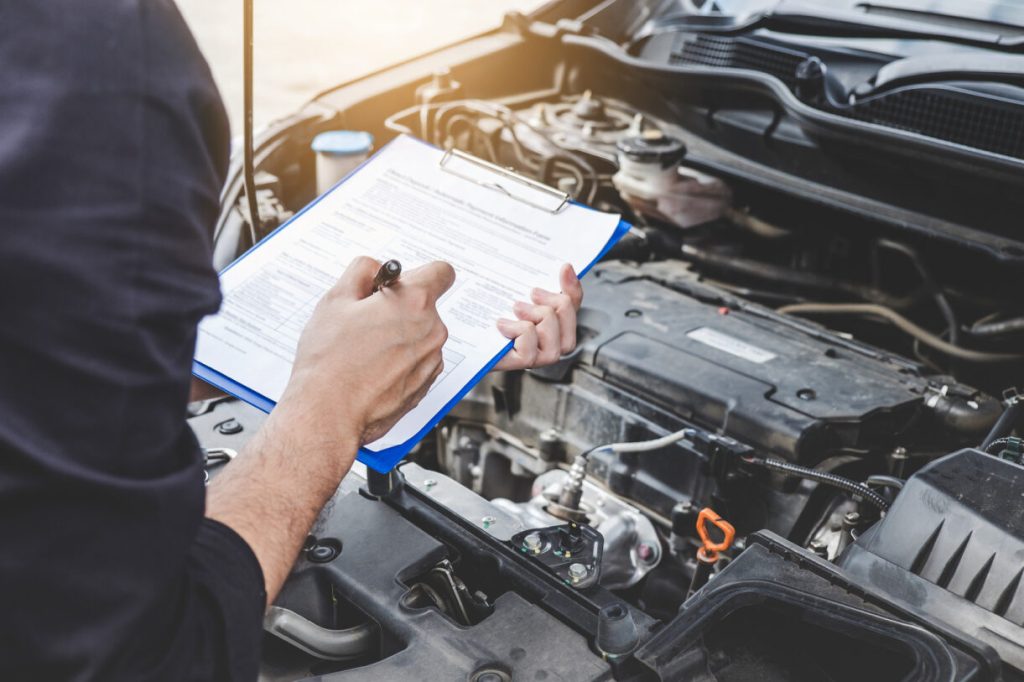
Every vehicle owner wants their car to run safely, efficiently, and reliably. Yet, one of the most overlooked aspects of car ownership is the regular inspection of the vehicle’s key systems. Many people assume that as long as their car starts and drives fine, everything is working perfectly. However, neglecting routine vehicle inspections can lead to hidden issues that gradually develop into expensive repairs or safety hazards. Understanding the benefits of regular vehicle inspections is essential for anyone who values safety, performance, and long-term savings.
Why Regular Vehicle Inspections Are Essential
A vehicle inspection is not just about satisfying a state requirement; it’s a comprehensive evaluation that ensures every component of your car is functioning properly. Inspections identify wear, damage, and potential failures before they turn into costly or dangerous problems. For instance, unnoticed brake wear or a small oil leak might seem minor but can lead to severe consequences if ignored.
Regular vehicle inspections provide peace of mind. They confirm that your car is safe to operate and capable of performing optimally in all driving conditions. Moreover, consistent inspections contribute to better fuel efficiency, fewer breakdowns, and improved resale value.
Safety Benefits of Regular Vehicle Inspections
Safety is the most significant reason to schedule regular inspections. Vehicles are made up of thousands of components, and even a small malfunction can compromise your safety or the safety of others on the road.
Preventing Accidents
A well-maintained car reacts predictably under pressure. Regular inspections check critical systems such as brakes, steering, tires, suspension, and lighting. A worn-out brake pad or misaligned tire can drastically affect stopping distance and handling. Detecting and fixing these issues before they cause accidents helps drivers maintain control in emergencies.
Ensuring Proper Lighting and Visibility
Inspections include checking headlights, brake lights, and turn signals. A single faulty bulb can create visibility issues, especially in bad weather or at night. By maintaining all lighting systems, you ensure clear communication with other drivers and safer travel during low-visibility conditions.
Airbag and Safety Feature Checks
Modern vehicles are equipped with numerous safety features like airbags, traction control, and anti-lock brakes. During inspections, technicians verify that these systems are functioning properly, reducing the risk of injury during an accident.
Financial Advantages of Regular Inspections
Vehicle inspections are one of the most cost-effective habits car owners can maintain. They may cost a modest fee upfront, but they save thousands over time by preventing major mechanical failures.
Detecting Problems Early
Catching problems early is the most significant financial benefit. Inspections help identify leaks, worn belts, or minor electrical issues before they cause damage. For example, a small coolant leak can quickly lead to overheating and engine failure if ignored. Addressing it early costs a fraction of what major repairs would.
Extending Vehicle Lifespan
Consistent inspections promote longevity. When every system in your car is maintained correctly, components operate under optimal conditions, reducing overall wear and tear. Vehicles that undergo routine inspections regularly outperform neglected ones in durability and reliability.
Maintaining Resale Value
If you plan to sell your car in the future, regular inspection records enhance its resale value. Buyers are more confident purchasing a vehicle with documented maintenance history. This transparency shows that the vehicle has been cared for properly, allowing you to command a higher price.
Environmental Benefits
Cars that are poorly maintained often produce excessive emissions, contributing to air pollution and environmental degradation. Routine inspections help minimize your vehicle’s environmental footprint.
Emission Control
Most inspection programs include an emissions test that measures pollutants such as carbon monoxide and nitrogen oxides. By ensuring the catalytic converter, oxygen sensors, and exhaust systems are functioning properly, inspections help reduce harmful emissions.
Fuel Efficiency
A car that operates efficiently consumes less fuel, which reduces environmental impact and saves you money. Issues like underinflated tires, dirty air filters, and misfiring spark plugs decrease fuel economy. Regular inspections identify and correct these inefficiencies before they cause long-term performance problems.
Performance and Reliability
Consistent inspections do more than just prevent breakdowns—they optimize your car’s performance and reliability. When all systems work in harmony, your car delivers smoother acceleration, better handling, and a more comfortable driving experience.
Improved Engine Performance
Engine components are highly sensitive to neglect. Inspections check fluid levels, filter conditions, and spark plug performance. Dirty oil or a clogged filter can cause sluggish performance, while worn spark plugs can result in poor ignition and reduced power. Regular maintenance ensures your engine runs efficiently.
Transmission and Brake Reliability
A properly functioning transmission and braking system are crucial for vehicle control. Inspections detect transmission fluid leaks, clutch wear, and brake degradation. These checks not only ensure safety but also prevent complete system failures, which can be extremely costly to repair.
Tire Performance and Alignment
Tires directly affect fuel efficiency, braking, and handling. Inspections ensure they are properly inflated, balanced, and aligned. Poor alignment can cause uneven tire wear and stress on suspension parts. Regular tire checks during inspections maximize safety and driving comfort.
Legal and Insurance Benefits
Many states require annual or biennial vehicle inspections to ensure roadworthiness. Keeping up with inspections helps you stay compliant with the law and avoid penalties.
Compliance with State Laws
Failing to get a required inspection can lead to fines or registration suspension. Regular inspections ensure your vehicle meets safety and emissions standards, keeping you legally covered.
Insurance Considerations
Insurance companies often look favorably on owners who maintain their vehicles responsibly. In some cases, well-documented maintenance and inspection records can support claims or even help negotiate better rates.
Real-Life Scenarios Demonstrating the Importance of Inspections
To truly understand the value of inspections, consider real-world examples.
- Brake Failure Avoided: A driver scheduled a routine inspection before a long road trip. The technician discovered that the brake pads were nearly worn out and the rotors were warped. Replacing them before the trip likely prevented an accident on the highway.
- Engine Damage Prevented: Another owner ignored a small oil leak. During a later inspection, the mechanic found the leak had worsened and could have led to engine failure. Timely detection saved thousands in potential repair costs.
- Improved Fuel Economy: A simple inspection that revealed underinflated tires and a clogged air filter resulted in improved gas mileage and smoother engine performance once fixed.
How Often Should You Inspect Your Vehicle
The frequency of inspections depends on your car’s age, mileage, and driving conditions. However, experts generally recommend:
- Basic inspections: Every 6 months or 6,000 miles
- Comprehensive inspections: Annually or before long road trips
- Pre-purchase inspections: Before buying a used vehicle
- Seasonal checks: Before extreme weather changes, such as winter or summer
For vehicles used in demanding environments, such as towing or off-road driving, inspections should be performed more frequently.
What’s Included in a Standard Vehicle Inspection
A professional vehicle inspection typically covers multiple systems and components to ensure your car operates efficiently and safely.
Common Inspection Points
- Brakes: Pads, rotors, and brake fluid levels
- Tires: Tread depth, alignment, and pressure
- Lights: Headlights, taillights, and indicators
- Fluids: Oil, coolant, brake, and transmission fluids
- Battery: Voltage, corrosion, and connections
- Exhaust system: Leaks and emissions levels
- Suspension: Shocks, struts, and control arms
- Steering components: Power steering fluid and responsiveness
Technicians provide a report detailing any issues found, along with recommendations for repair or replacement.
The Role of Professional Technicians in Inspections
While car owners can perform basic checks like oil level or tire pressure, professional technicians use specialized tools and diagnostic systems to detect hidden issues. Their training allows them to interpret warning signs that untrained eyes might miss.
A skilled technician can:
- Identify electrical and computer-related faults
- Detect early wear in belts and hoses
- Test fluid quality and contamination levels
- Analyze error codes using diagnostic equipment
Trusting certified professionals ensures accuracy and thoroughness, which ultimately saves time and money.
Frequently Asked Questions
1. Are vehicle inspections the same as emissions tests?
No. An emissions test focuses specifically on pollution control, while a full inspection evaluates the entire vehicle, including brakes, suspension, and electrical systems.
2. Can I perform a vehicle inspection myself?
You can check basic things like fluid levels and tire pressure, but professional inspections are more comprehensive and include diagnostic testing that requires specialized equipment.
3. What happens if I fail a vehicle inspection?
If your vehicle doesn’t pass inspection, the technician provides a report outlining the issues. Once repairs are made, you can return for a re-inspection.
4. Do new cars need regular inspections?
Yes. Even new vehicles benefit from inspections to ensure factory parts are functioning correctly and to maintain warranty coverage.
5. How long does a standard inspection take?
A full vehicle inspection usually takes between 30 minutes and one hour, depending on the complexity and condition of the car.
6. Can regular inspections reduce long-term repair costs?
Absolutely. Early detection of issues prevents small problems from turning into expensive repairs, saving thousands over the vehicle’s lifespan.
Regular vehicle inspections are not just a formality—they are a proactive measure that enhances safety, saves money, improves performance, and extends the life of your car. By prioritizing these inspections, you protect both your investment and the well-being of everyone on the road.