Every car owner dreams of getting the most out of their vehicle. Whether you drive a compact commuter car, a powerful truck, or a family SUV, the goal is the same: to keep your vehicle running smoothly, safely, and efficiently for as long as possible. Understanding how to extend the lifespan of your vehicle is not just about routine maintenance but about developing smart driving habits, timely care, and proactive measures that protect your investment for the long haul.
Many vehicle owners prefer Wheel Simulators for their affordability compared to custom rims. They offer a similar visual appeal at a fraction of the cost, making them ideal for budget-conscious upgrades. With various sizes and styles available, they suit different vehicle types and preferences.
Why Vehicle Longevity Matters
Extending the lifespan of your vehicle provides financial, environmental, and safety benefits. A well-maintained vehicle costs less to operate, holds its value longer, and reduces the need for expensive repairs or replacements. In today’s economy, where new car prices and interest rates continue to climb, taking care of your current car is often the smartest financial move. Beyond the financial side, keeping a car in good condition contributes to fewer emissions, less waste, and better overall performance on the road.
Many drivers underestimate how much control they have over their car’s longevity. Proper maintenance, mindful driving, and paying attention to early warning signs can easily add several years and tens of thousands of miles to a vehicle’s life.
Follow a Consistent Maintenance Schedule
The cornerstone of a long-lasting vehicle is consistent maintenance. Every manufacturer provides a recommended maintenance schedule in the owner’s manual. These guidelines are based on the vehicle’s design and are essential to prevent wear and tear from turning into costly mechanical failures.
Key Maintenance Intervals
- Oil and Filter Changes: Regular oil changes are the most critical factor for engine health. Fresh oil lubricates moving parts, reduces friction, and prevents buildup of harmful deposits. Most vehicles need oil changes every 5,000 to 7,500 miles, depending on driving conditions and oil type.
- Fluid Checks: Transmission fluid, coolant, brake fluid, and power steering fluid should be inspected regularly. Neglecting fluid changes can cause overheating, corrosion, and premature component wear.
- Air and Cabin Filters: Dirty filters restrict airflow and strain the engine. Replace the air filter every 12,000–15,000 miles and the cabin filter annually.
- Brake Inspection: Brake pads, rotors, and fluid levels should be checked every 10,000 miles. Delaying brake maintenance can lead to rotor damage or complete brake failure.
- Battery Health: Check the battery terminals for corrosion and ensure a strong connection. Replace the battery every 3 to 5 years, or sooner if performance weakens.
Consistent maintenance isn’t just about keeping the car running; it’s about optimizing performance and preventing small issues from snowballing into major problems.
Keep Fluids at Optimal Levels
Fluids are your car’s lifeblood. Neglecting them can shorten the life of your engine, transmission, and cooling systems. Each fluid serves a unique purpose and must be monitored to ensure optimal performance.
Essential Vehicle Fluids
- Engine Oil: Reduces friction and cools the engine. Low or dirty oil leads to overheating and internal damage.
- Transmission Fluid: Keeps gear shifts smooth and prevents overheating. Dark or burnt-smelling fluid indicates a problem.
- Coolant: Maintains engine temperature and prevents corrosion. Over time, coolant degrades and loses its effectiveness.
- Brake Fluid: Transfers power from the pedal to the brake system. Contaminated brake fluid can cause soft braking or failure.
- Power Steering Fluid: Ensures smooth steering. Low levels may cause stiffness or whining noises.
Checking fluid levels monthly and topping off or replacing them as needed is one of the simplest ways to add years to your car’s lifespan.
Drive Smoothly and Responsibly
Your driving habits have a direct impact on your vehicle’s longevity. Aggressive driving, frequent hard braking, and rapid acceleration can all shorten the life of major components. Driving smoothly minimizes stress on the engine, brakes, and transmission, helping the car perform efficiently over time.
Smart Driving Practices
- Accelerate Gradually: Avoid sudden starts, especially when the engine is cold. Gradual acceleration reduces wear on the transmission and engine.
- Brake Gently: Consistent hard braking overheats brake pads and rotors. Instead, anticipate stops and decelerate smoothly.
- Avoid Idling for Long Periods: Prolonged idling wastes fuel and puts unnecessary strain on the engine.
- Observe Speed Limits: Driving at moderate speeds reduces fuel consumption and prevents excessive engine wear.
- Warm Up the Engine in Cold Weather: In colder climates, give your car a minute or two to circulate oil before driving.
Responsible driving not only extends your car’s life but also improves fuel efficiency and safety.
Protect Your Vehicle’s Exterior and Interior
A car’s exterior and interior condition directly influence its longevity and resale value. Environmental elements such as sunlight, road salt, rain, and pollution can accelerate wear if left unchecked.
Exterior Care
- Wash Regularly: Dirt, salt, and grime can corrode paint and metal. Wash your vehicle at least once every two weeks, and more often in winter.
- Wax Every Few Months: Wax adds a protective layer against UV rays, water, and contaminants, preserving your paint finish.
- Repair Paint Chips Promptly: Even small scratches can lead to rust if left untreated.
- Park Smartly: Whenever possible, park in a garage or shaded area to protect against sun damage.
Interior Care
- Clean Surfaces Frequently: Dust and debris can cause wear on upholstery and dashboard materials.
- Use Seat Covers and Floor Mats: They protect against stains, spills, and wear.
- Avoid Smoking Inside: Smoke damages fabrics, air filters, and electrical components over time.
- Condition Leather Seats: Prevent cracking by applying a leather conditioner every few months.
Preserving your car’s aesthetics ensures it remains comfortable and valuable for years to come.
Pay Attention to Warning Signs
Ignoring dashboard warning lights or unusual noises is one of the fastest ways to shorten your vehicle’s lifespan. These alerts are designed to catch issues early before they cause major damage.
Common Warning Indicators
- Check Engine Light: Can indicate anything from a loose gas cap to a serious engine malfunction. Have it diagnosed promptly.
- Oil Pressure Light: Signals low oil levels or pump issues. Driving with this light on risks severe engine damage.
- Battery Warning: Indicates charging issues, often related to the alternator or terminals.
- Brake Light: May suggest low brake fluid or worn brake pads.
- Overheating Indicator: Signals coolant problems or radiator malfunctions. Stop driving immediately if this appears.
Responding quickly to these alerts prevents small problems from becoming catastrophic failures.
Rotate and Align Tires Regularly
Tires are often overlooked in vehicle maintenance, yet they play a major role in safety and performance. Uneven tire wear can cause alignment issues and stress the suspension system.
Tire Care Tips
- Rotate Tires Every 5,000–7,000 Miles: Ensures even wear and extends tire life.
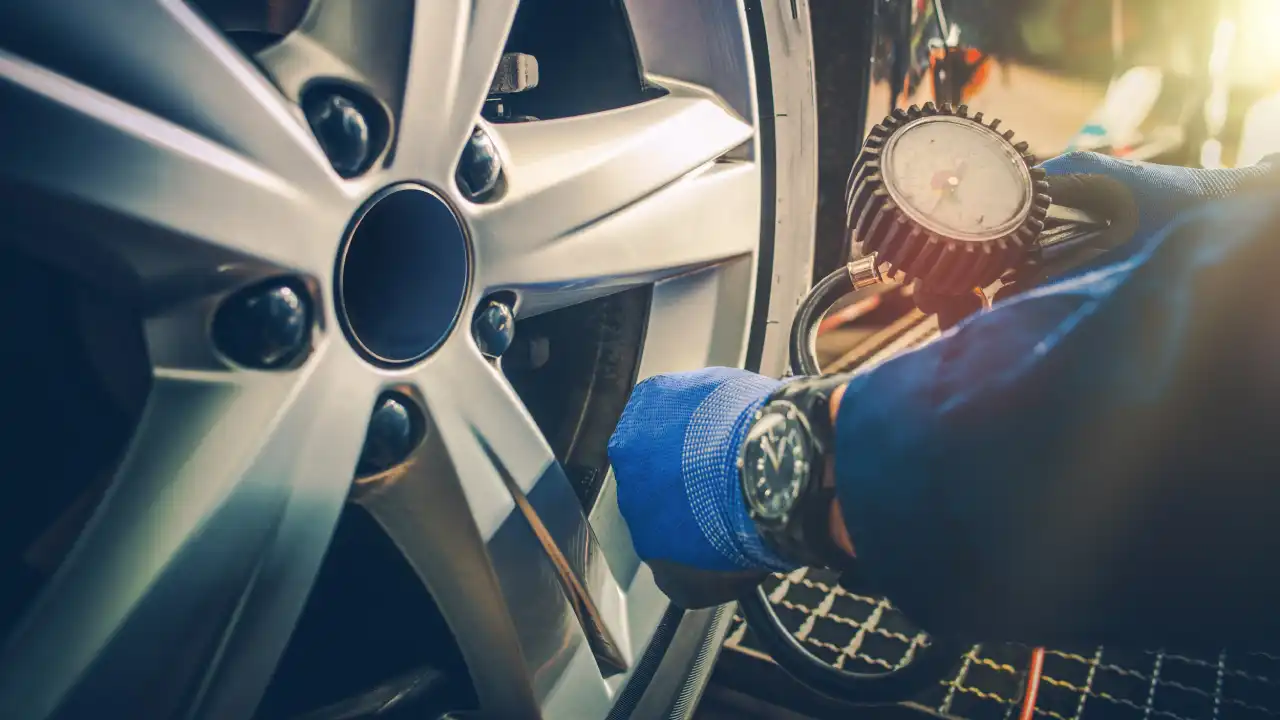
- Check Air Pressure Monthly: Underinflated tires reduce fuel efficiency and increase wear.
- Inspect Tread Depth: Use a penny test; if Lincoln’s head is visible, it’s time for new tires.
- Schedule Wheel Alignments: Misalignment causes uneven wear and steering difficulties.
Proper tire care contributes to better handling, fuel efficiency, and smoother rides, all of which help preserve your vehicle.
Store Your Car Properly
If you plan to leave your vehicle unused for extended periods, proper storage is crucial. Improper storage can lead to battery drain, flat tires, and corrosion.
Long-Term Storage Tips
- Keep the Battery Charged: Disconnect the battery or use a trickle charger to prevent power loss.
- Cover the Vehicle: Use a breathable car cover to protect against dust and moisture.
- Inflate Tires: Overinflate slightly to prevent flat spots from forming.
- Fill the Gas Tank: A full tank prevents condensation and rust inside the fuel system.
- Avoid Parking on Dirt or Grass: Moisture from the ground accelerates rust formation.
Proper storage techniques ensure your car stays in prime condition, even during periods of inactivity.
Keep Detailed Service Records
Maintaining a detailed log of repairs, oil changes, and inspections is more valuable than most owners realize. It helps track what has been done, anticipate future services, and confirm that your vehicle has been well cared for.
When selling or trading in your vehicle, service records serve as proof of reliability, often increasing resale value and buyer confidence.
Use Quality Replacement Parts
When repairs or replacements are needed, using quality parts is vital. Cheap or counterfeit components can wear out quickly, cause system failures, and even void warranties.
Choose Parts Wisely
- OEM (Original Equipment Manufacturer) Parts: Designed specifically for your vehicle, ensuring compatibility and performance.
- Certified Aftermarket Parts: A cost-effective alternative if sourced from reputable manufacturers.
- Avoid Unknown Brands: Poorly made parts often lead to repeat repairs and safety risks.
Investing in quality components may cost more initially but saves significant money and hassle over time.
Frequently Asked Questions
1. How often should I service my vehicle?
Most vehicles need servicing every 5,000 to 7,500 miles, depending on manufacturer recommendations and driving conditions. Always refer to your owner’s manual.
2. Can using premium fuel extend my car’s life?
Not necessarily. Only use premium fuel if your manufacturer recommends it. Using it unnecessarily won’t harm the engine, but it won’t provide noticeable longevity benefits either.
3. What is the best way to prevent rust?
Regular washing, especially during winter months when roads are salted, and prompt repair of paint chips are the most effective rust prevention methods.
4. How can I tell if my car’s fluids need changing?
Changes in color, smell, or texture often indicate contamination. For example, engine oil that turns black or transmission fluid that smells burnt should be replaced.
5. Does idling damage the engine?
Excessive idling can lead to carbon buildup, wasted fuel, and reduced oil life. It’s best to turn off the engine if you expect to be stopped for more than a few minutes.
6. What’s the average lifespan of a well-maintained vehicle?
With proper care, most modern vehicles can easily surpass 200,000 miles, with many reaching 250,000 miles or more.
By following these evidence-based strategies and maintaining consistent care, you can dramatically extend the lifespan of your vehicle. Regular inspections, responsible driving, and timely maintenance not only enhance performance but also ensure your car remains safe, reliable, and cost-effective for many years to come.